Brevard County Florida Since 1848
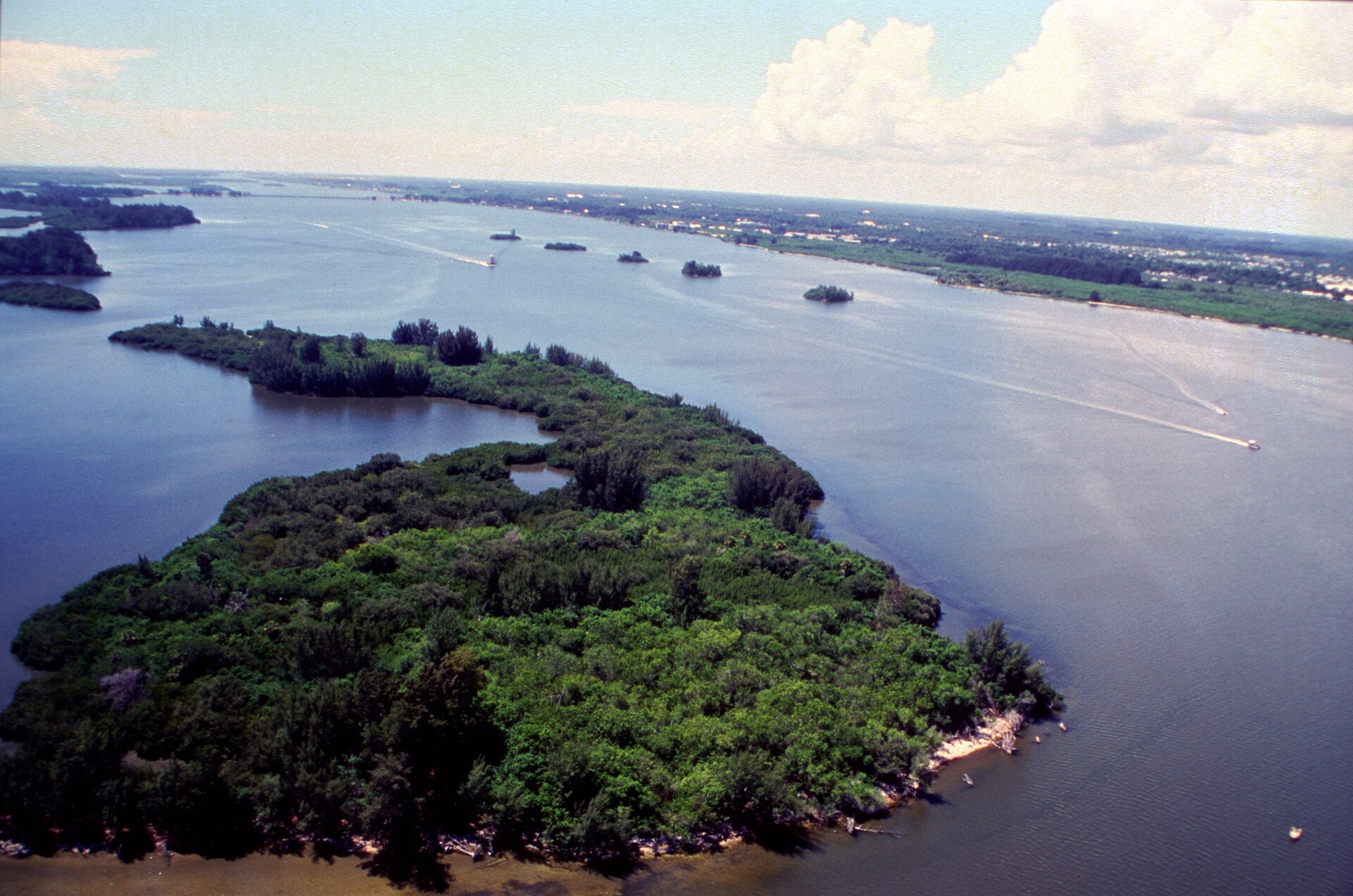
The mainland citrus belt, the Indian River Lagoon, the barrier-island beaches, and the space program built the place we now call the Space Coast.
We cover the regional history that ties the eight cities together. Ais settlements before 1500, the Florida East Coast Railroad cutting south in 1885, the 1894 freezes that wiped the citrus belt clean, Project Bumper firing from Cape Canaveral in 1950, the Apollo boom-and-bust, the Indian River Lagoon's slow ecological collapse.
Recent articles
Eight cities. One county.
-
About
What Old Space Coast Means, The Editorial Premise
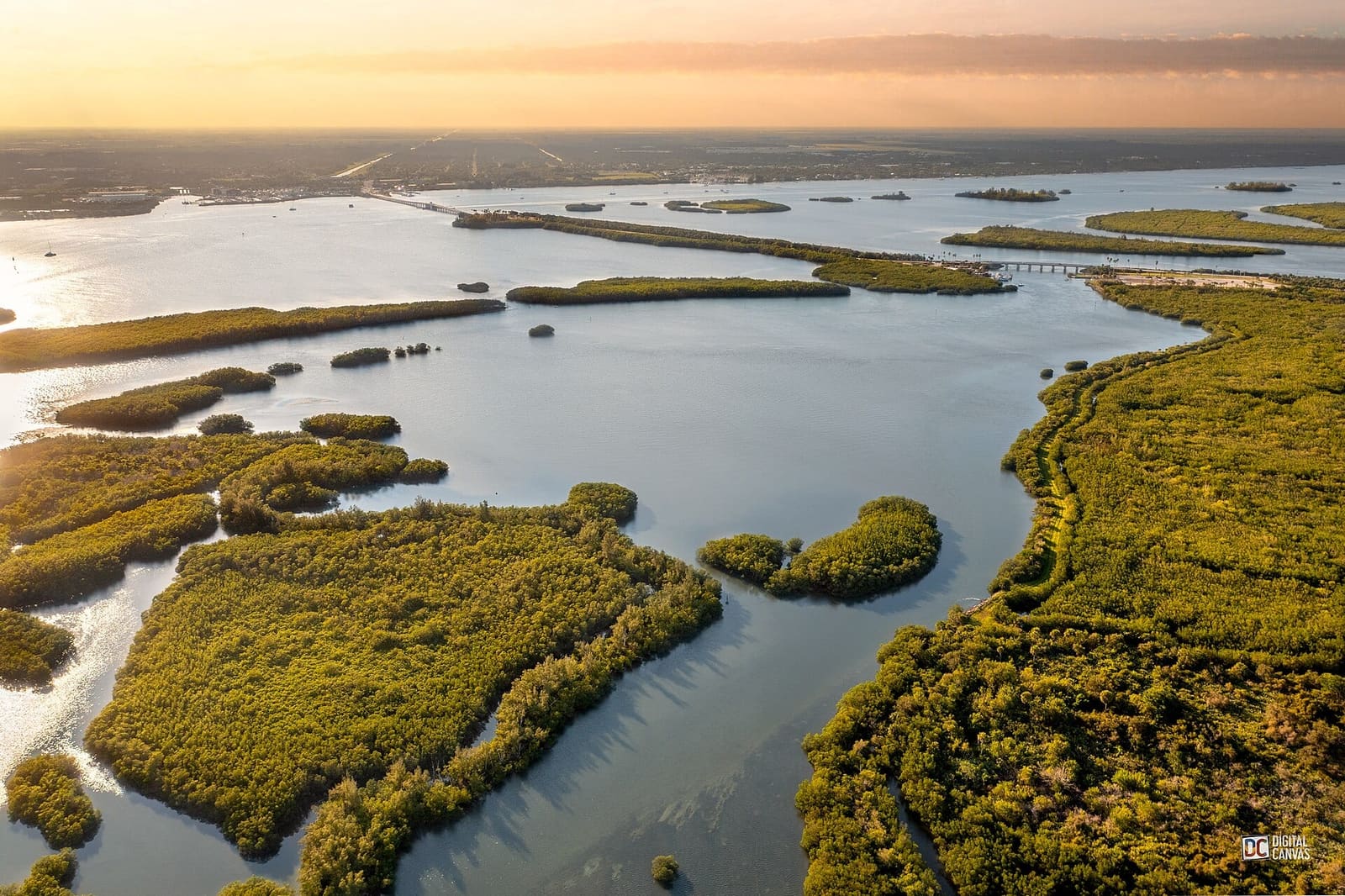
Brevard County had a history before the rockets. The lagoon was here. The Ais were here. The citrus growers were here. This publication is about all of that, on its own terms.
-
Surfing
Surfing History of the Space Coast
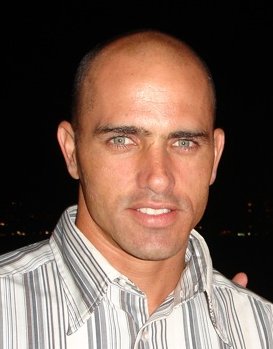
Cocoa Beach became the East Coast surf capital in the 1960s. Kelly Slater grew up surfing the Cocoa Beach Pier. The East Coast Surfing Championships have run since 1964.
-
Economic history
The 1973 Oil Crisis and Brevard's Space-Program Layoffs
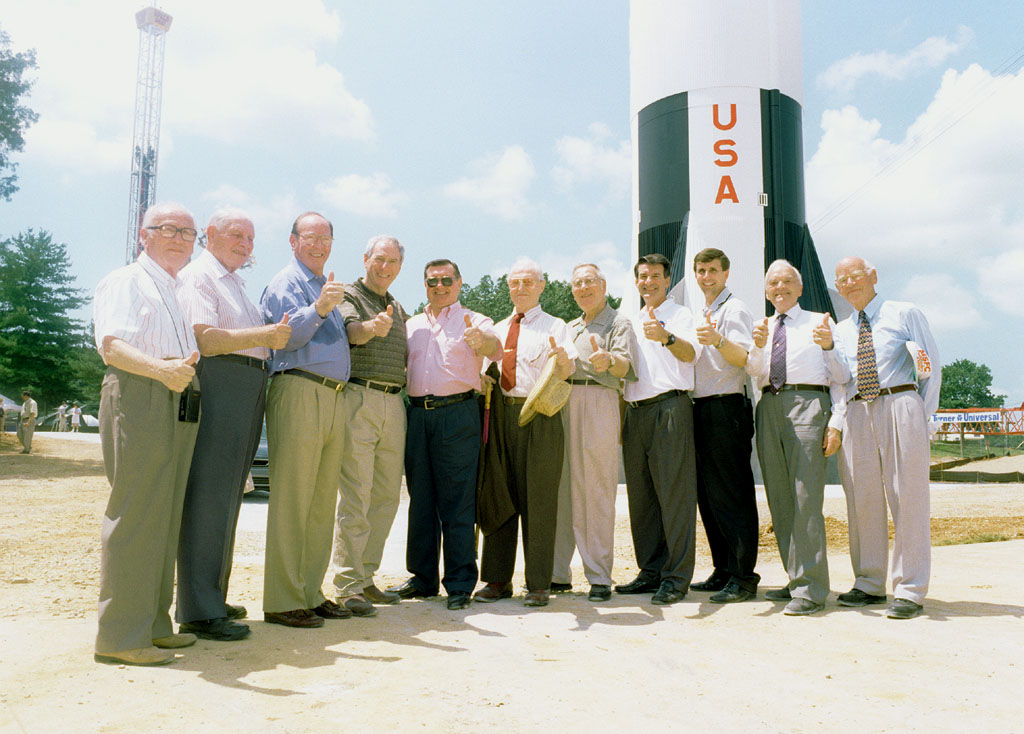
Apollo wound down through 1972. The 1973 oil embargo hit a Brevard economy already reeling from the post-Apollo aerospace contraction. Unemployment exceeded 15 percent in 1974.
-
Recreation
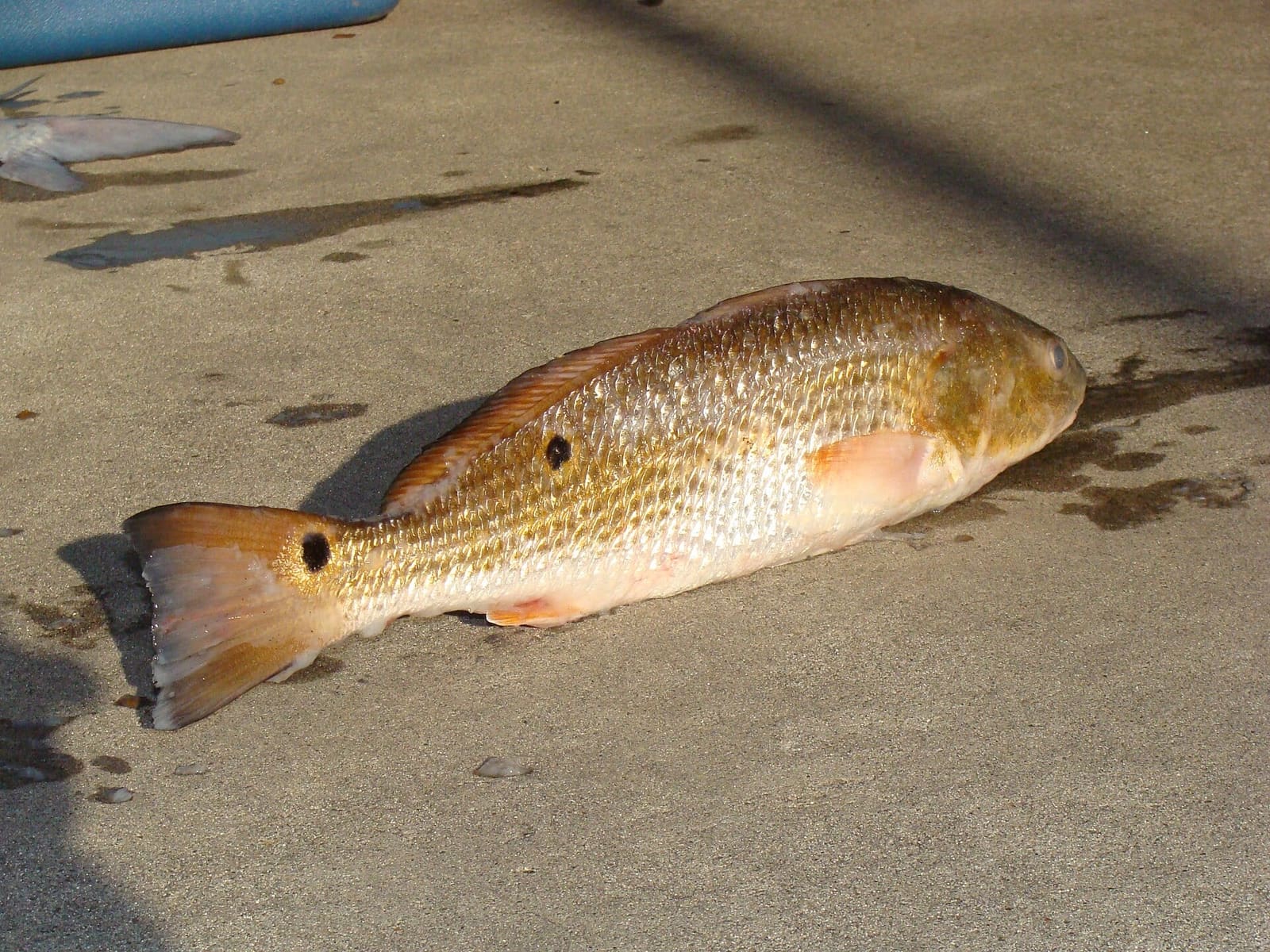
Recreational Fishing on the Space Coast, 1900 to Now
Mosquito Lagoon redfish, the snook regulations of the 1980s, the charter-boat tradition out of Port Canaveral. Brevard's recreational fishing identity predates the space program and outlasted citrus.
-
County history
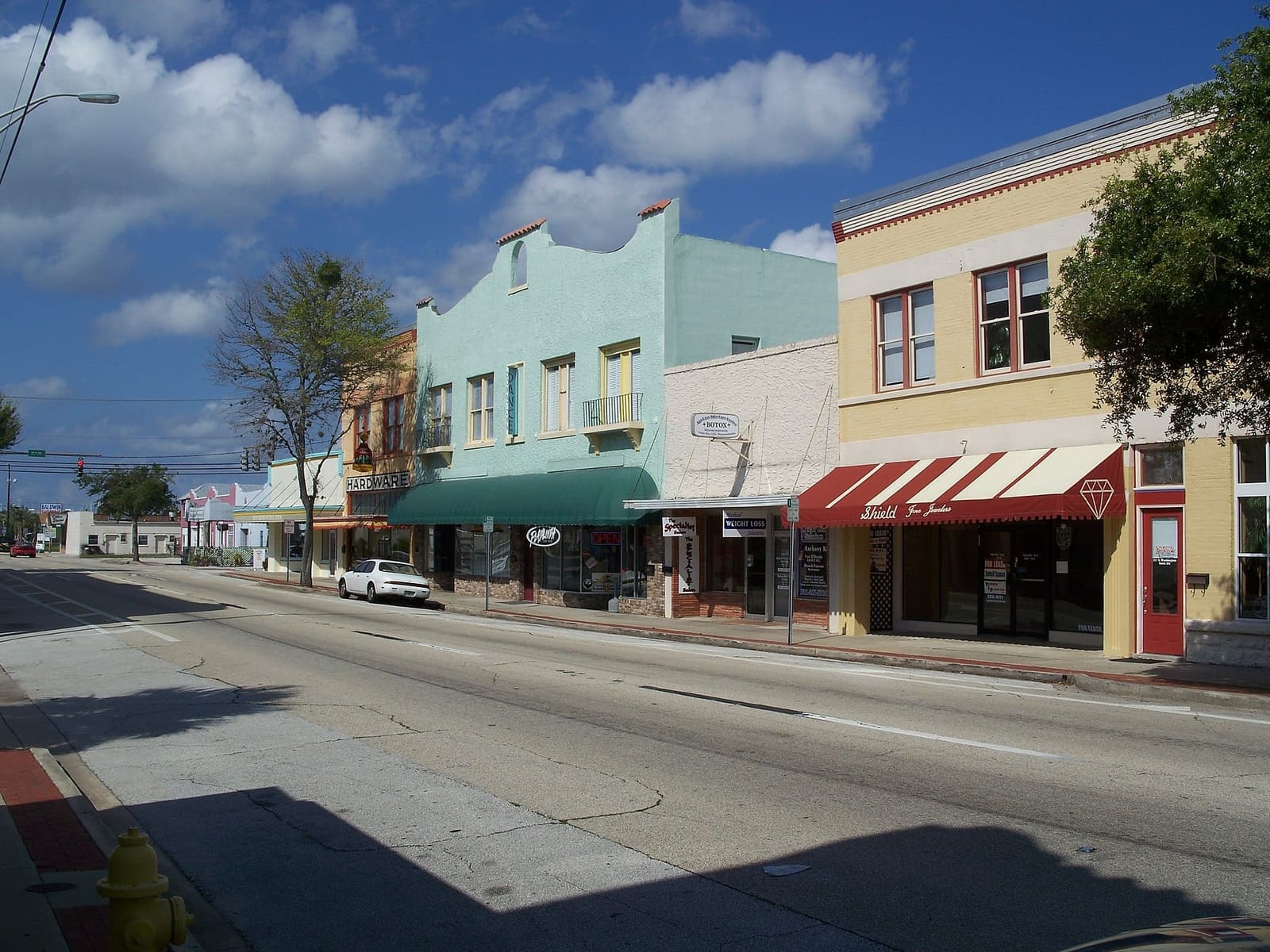
Why Titusville is the County Seat (and not Cocoa or Melbourne)
Brevard's county seat moved from LaGrange (1855-1879) to Titusville (1879-present). The Cocoa-Rockledge area has tried to relocate it multiple times. Titusville's railroad connection in 1885 cemented its administrative role.
-
City history
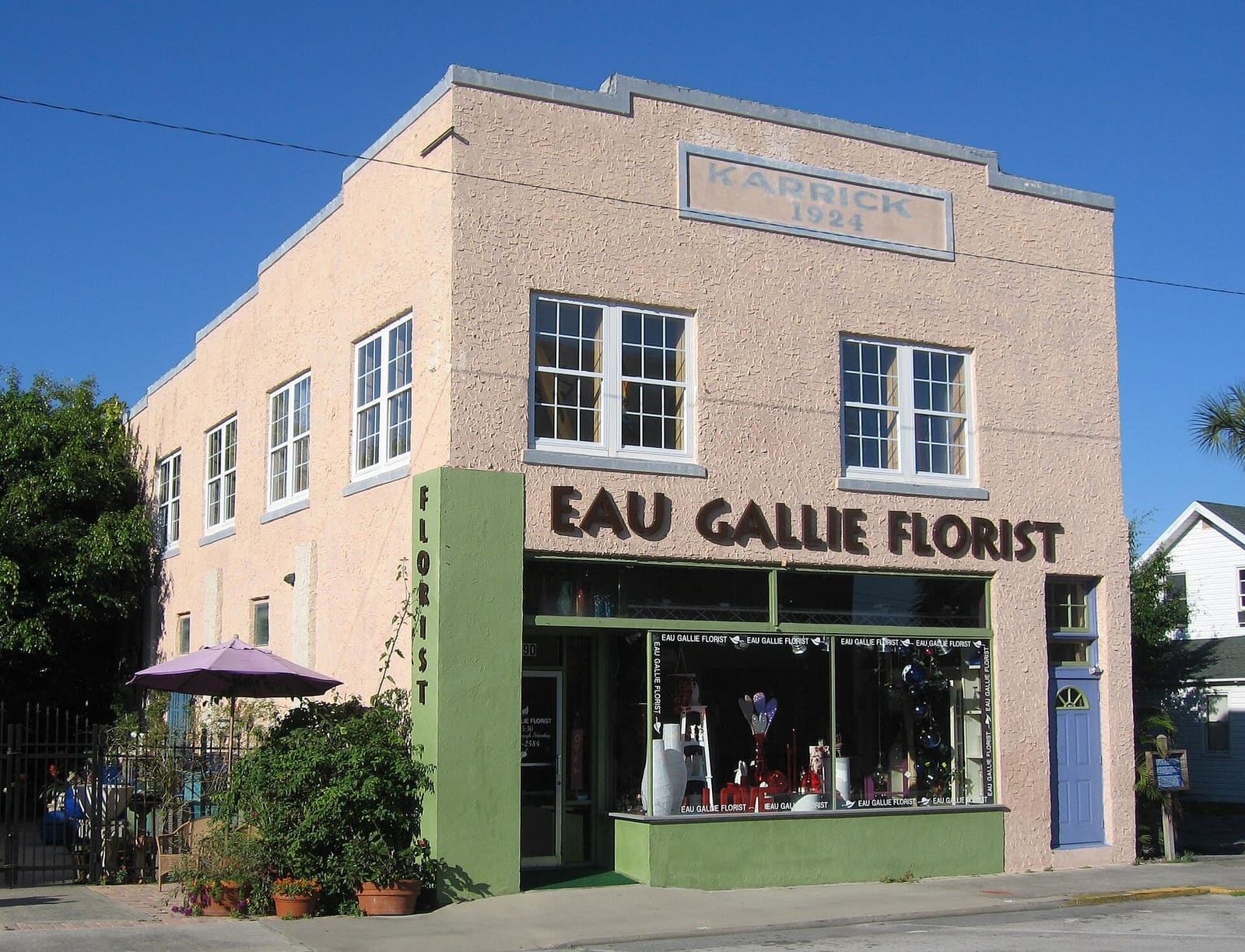
The Eau Gallie / Melbourne Merger of 1969
Eau Gallie and Melbourne were separate cities for almost a century before merging in 1969. The merger created the city of Melbourne in its modern form.
The eight cities
Each city has its own publication.
Seven city sites cover what happened inside their boundaries. This hub covers everything that crosses them.
-
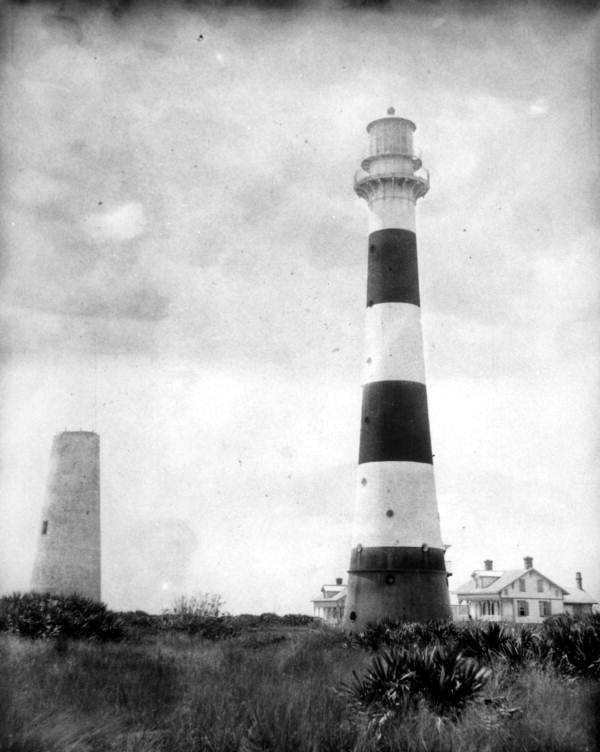
Old Cape Canaveral
Lighthouse, salt-marsh, the original cape and its keepers before NASA.
-
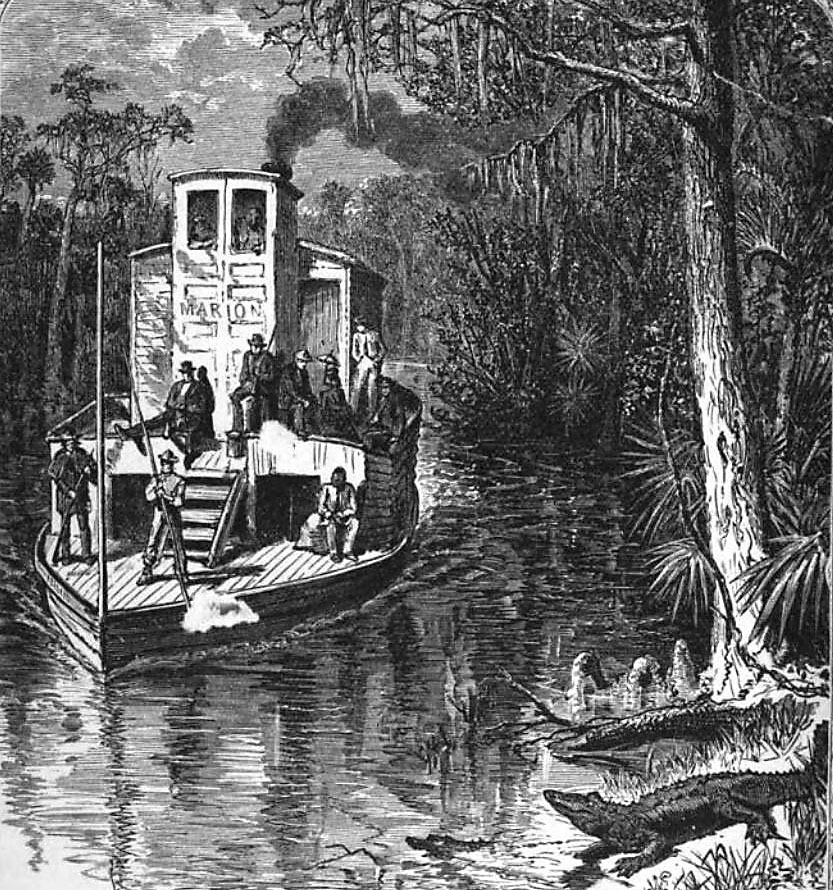
Old Cocoa
Indian River steamboats, citrus packing, the railroad depot at Magnolia.
-
Old Cocoa Beach
Surf-break origin story, the Mercury Seven, motels of the early space age.
-
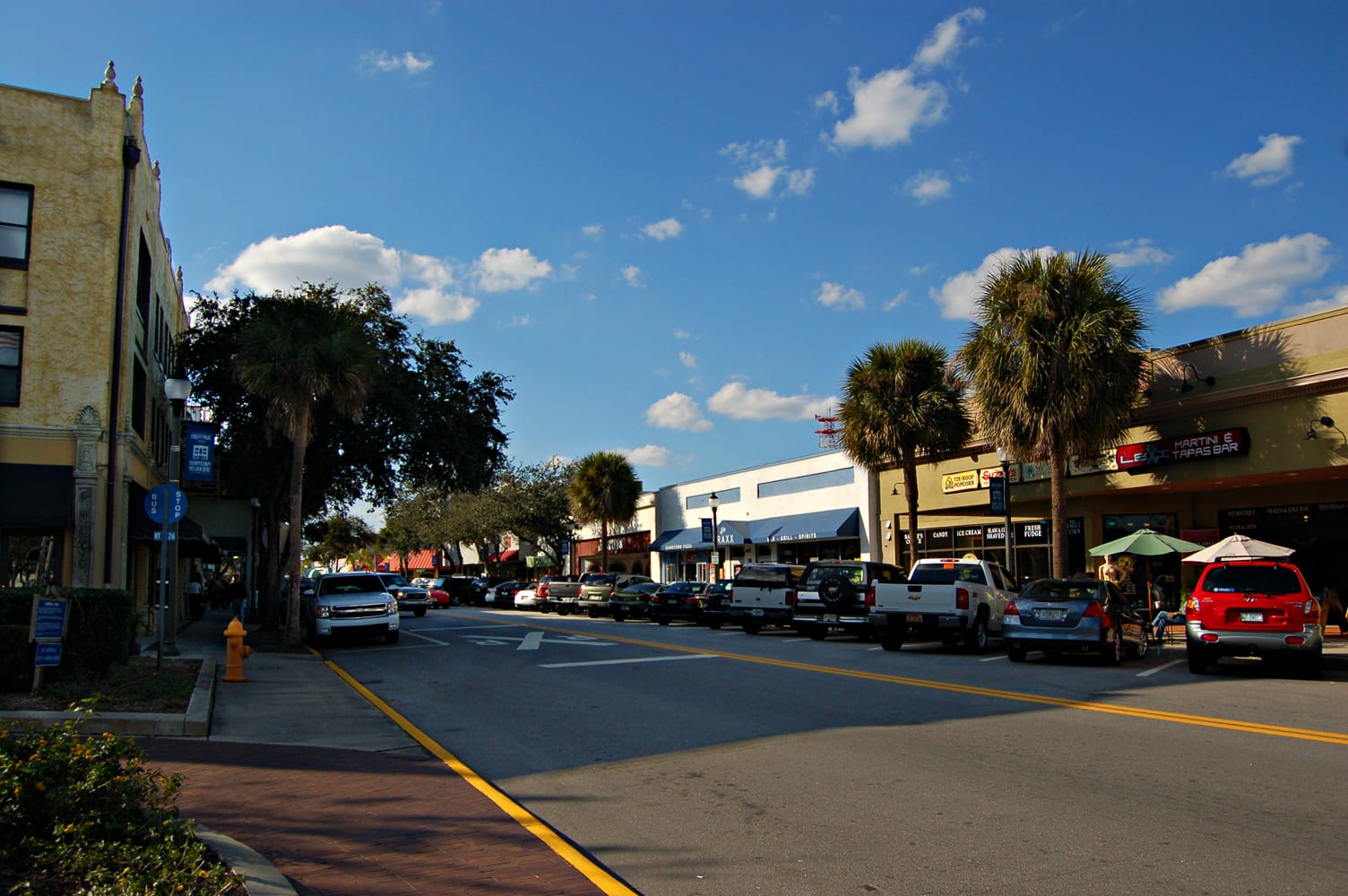
Old Melbourne
Crane Creek, the Eau Gallie merger, Florida Tech, and the southern terminus.
-
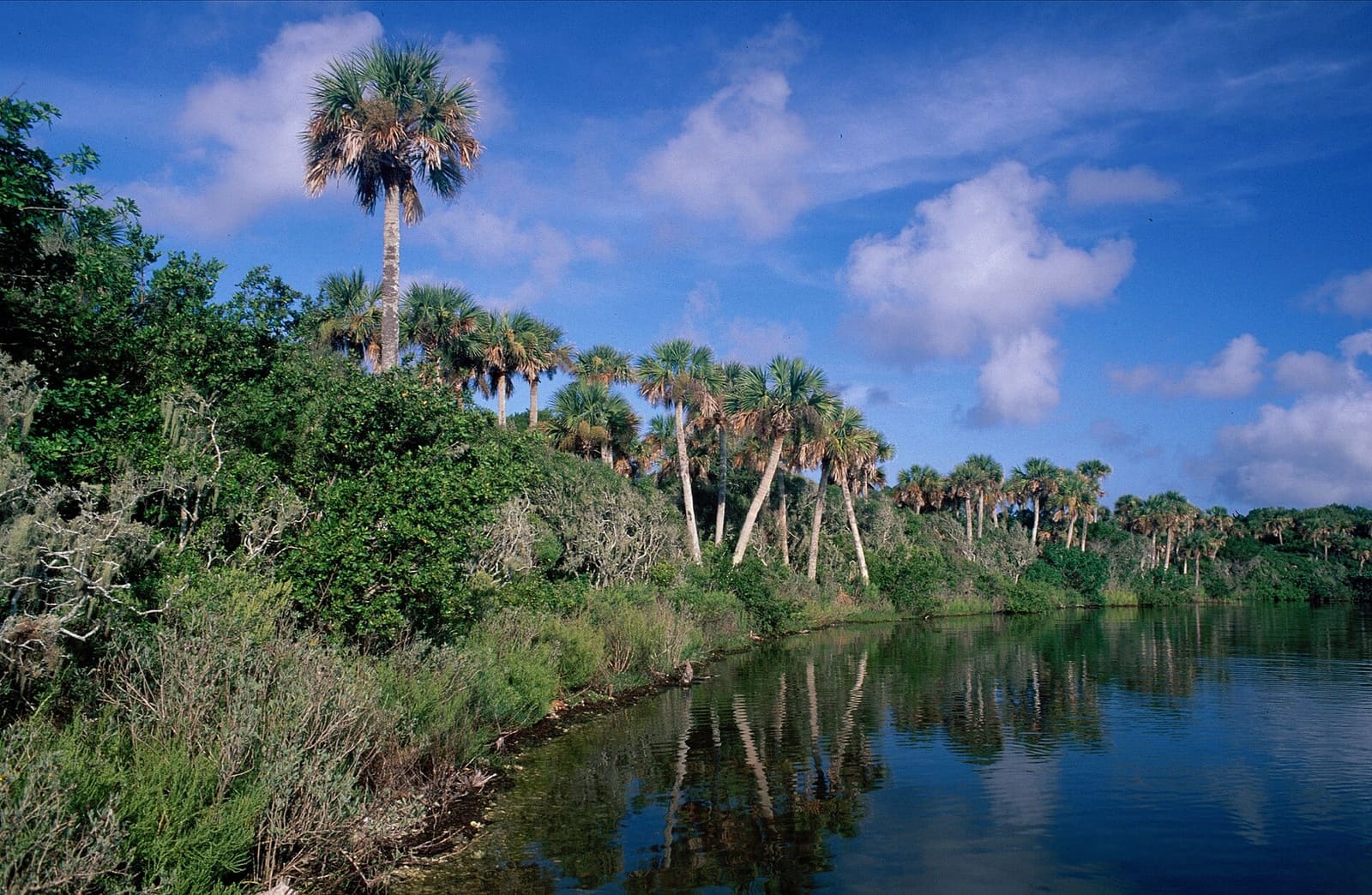
Old Palm Bay
Turkey Creek, the postwar GDC platting boom, the largest city by area in Brevard.
-
Old Rockledge
Brevard's oldest incorporated city, river-bluff hotels of the Gilded Age.
-
Old Titusville
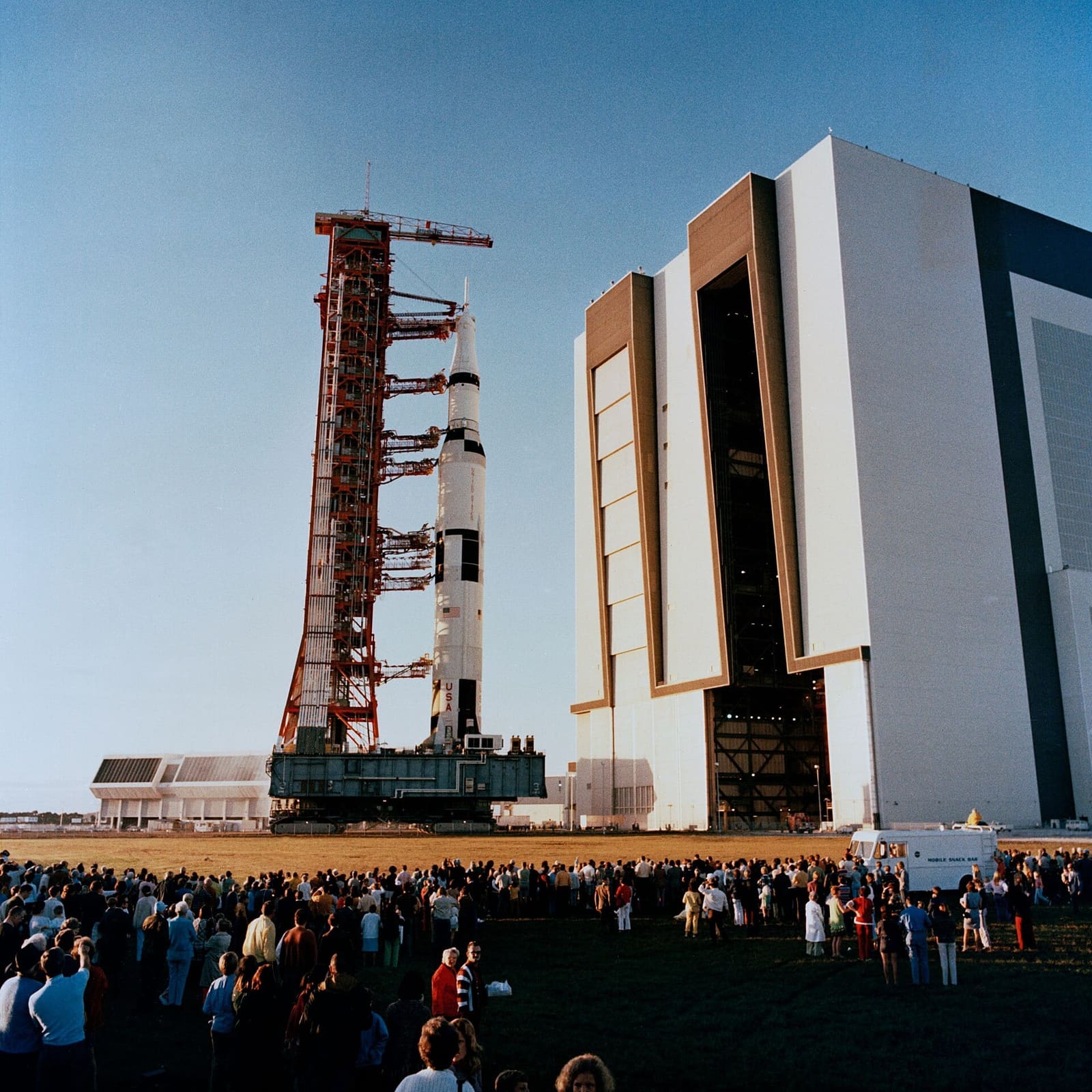
The county seat, the Apollo gateway, the closest mainland to Pad 39A.
Free · No tracking · Plain text
Get the next article.
New articles when we publish. Unsubscribe anytime.
Common questions about Space Coast history
- Where does the name "Space Coast" come from, and when did it start being used?
"Space Coast" first appeared in Brevard County tourism brochures around 1962 and was being used officially by the Cocoa Beach Chamber of Commerce by 1965; there was never any formal naming decision. Earlier branding attempts like "the Cape Coast," "the Missile Coast," and "the Indian River Country" each had brief runs but didn't stick. The state tourism agency adopted "Space Coast" around 1965, and its successor Visit Florida has used the brand ever since.
- What was the first rocket launched from Cape Canaveral?
The first launch from Cape Canaveral was Bumper 8, which lifted off from Launch Complex 3 at 9:28 AM on July 24, 1950. It was a two-stage vehicle combining a captured German V-2 first stage with an American-designed WAC Corporal second stage, standing about 62 feet tall. The V-2 stage failed early and the rocket crashed in the Atlantic about 50 miles downrange, but the launch is considered the beginning of the American space program at the Cape.
- Who is Brevard County named after?
Brevard County is named for Theodore Washington Brevard, a North Carolina-born lawyer who served as Florida's state comptroller from 1853 to 1861. He never set foot in the county that bears his name; he worked in Tallahassee and had no business or family connections on the Indian River, so the naming was political tribute. The county was carved out of the older Mosquito County, created in 1824 and named for the Mosquito Lagoon.
- How did the 1894-95 Great Freeze affect Brevard County's citrus industry?
Two freezes struck eight weeks apart, the first on December 28, 1894 and the second on February 8, 1895, killing hundreds of thousands of citrus trees across central Florida. Brevard fared far better, roughly 40 percent grove damage versus 70 to 90 percent tree mortality in Marion, Lake, Volusia, and Orange counties, because the Indian River Lagoon's thermal mass kept it several degrees warmer. Displaced growers moved south, and Brevard's grove acreage roughly doubled from about 4,000 acres in 1895 to over 8,000 by 1900.